

Sale!
Price range: €4,200 through €4,500
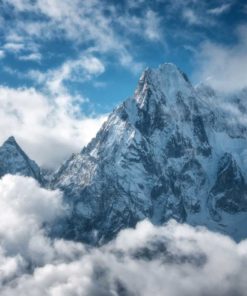
Trek around Manaslu (8,163 m) and cross Larkya La Pass (5,106 m) on a remote, culture rich Himalayan circuit. Himalayan adventure. Away from the crowds of the Annapurna and Everest regions, this restricted-area trek takes you through terraced farmland, deep river gorges and Tibetan influenced villages to the dramatic Larkya La Pass (5,106 m)
Manaslu Circuit Trek: 18 Days Around the World’s Eighth-Highest Mountain
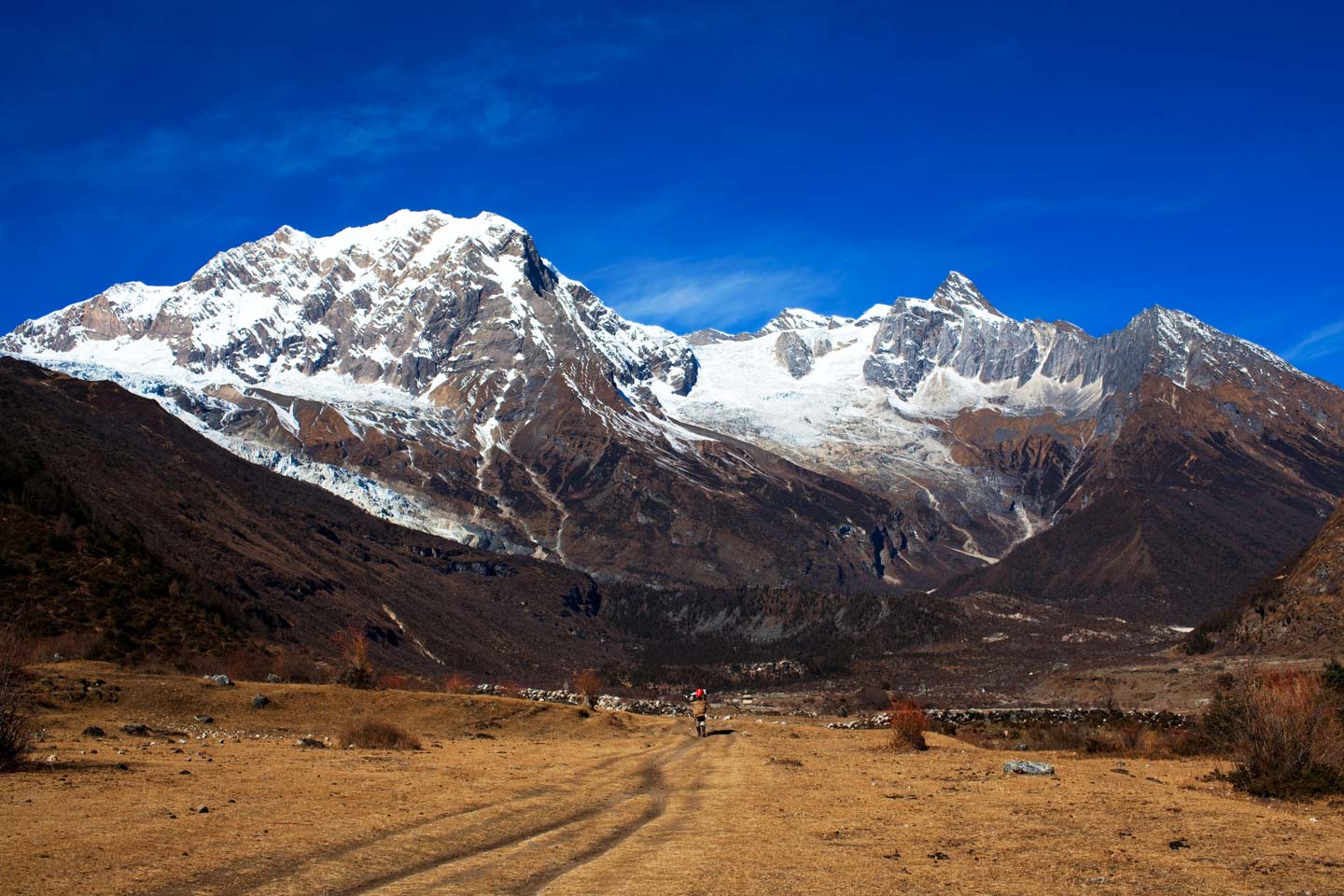
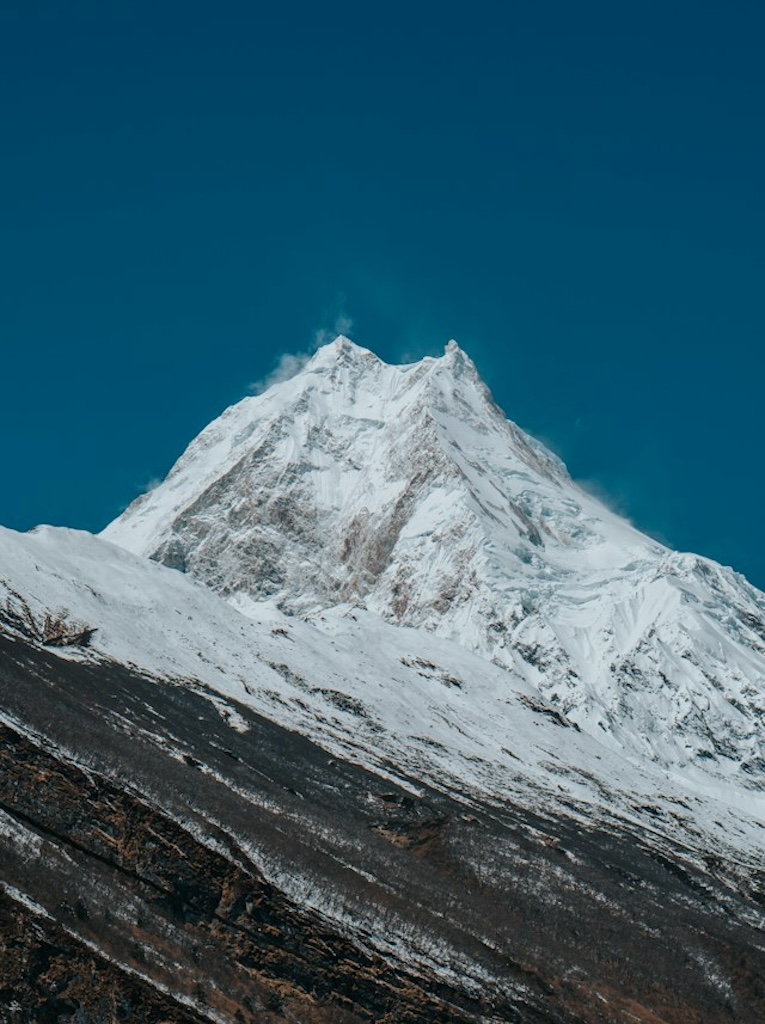
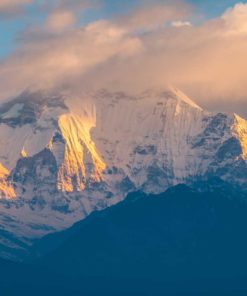
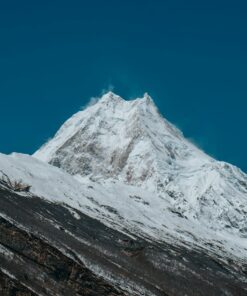
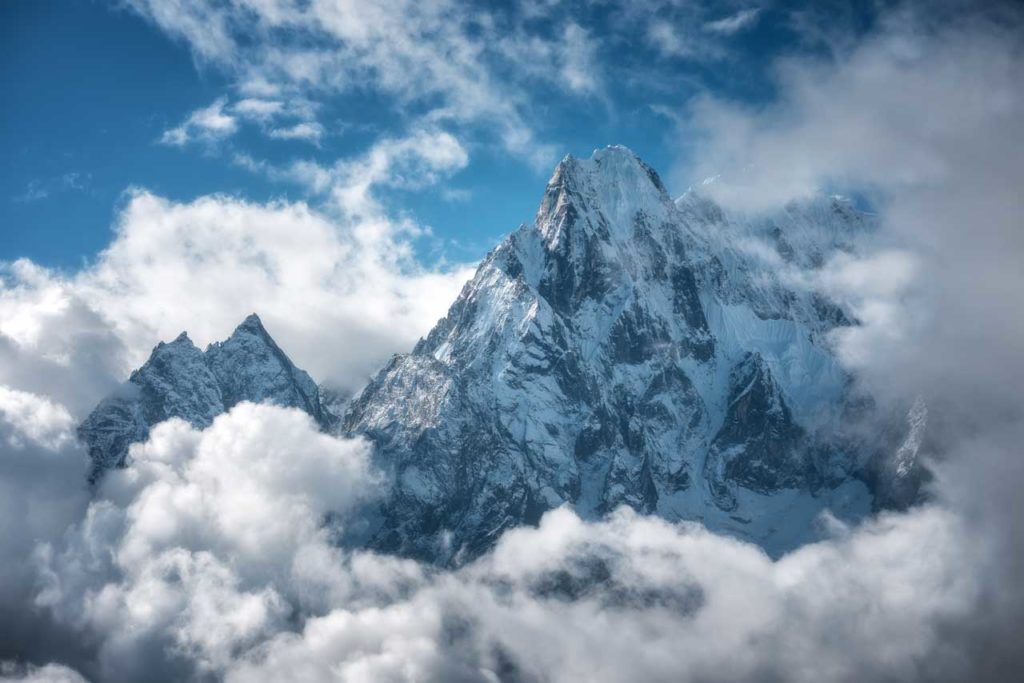
Circle Manaslu (8,163 m), the eighth-highest mountain in the world, on one of Nepal’s most rewarding remote treks. Set between Ganesh Himal and the Annapurna Range, the Manaslu Circuit is a quieter alternative to the Annapurna Circuit Trek and the Everest Base Camp Trek, with dramatic scenery, rich culture and far fewer crowds.
This 18-day guided trek is led by Wild Mountain NI and Namaste Nomad Ltd. It follows the Budhi Gandaki valley to the Tibetan-influenced village of Samagaon, visits Manaslu Base Camp, crosses the Larkya La Pass (5,106 m) and descends to Besisahar. We handle the permits, the logistics and the route, so you can focus on the walking.
Special offer: Book by December 15th for €4,200. After that, the price rises to €4,500. Enquire or book now.
Why Trek the Manaslu Circuit?
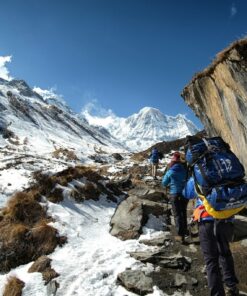
Manaslu rewards trekkers who want a real Himalayan adventure without the crowds of the better-known routes. In a single trek you cross several climate zones and cultures:
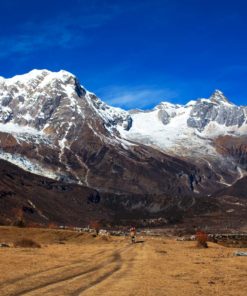
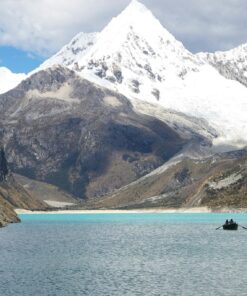
- Changing landscapes: warm lowlands of rice and millet terraces give way to deep river gorges, rhododendron and pine forest, alpine meadows and high glacial country.
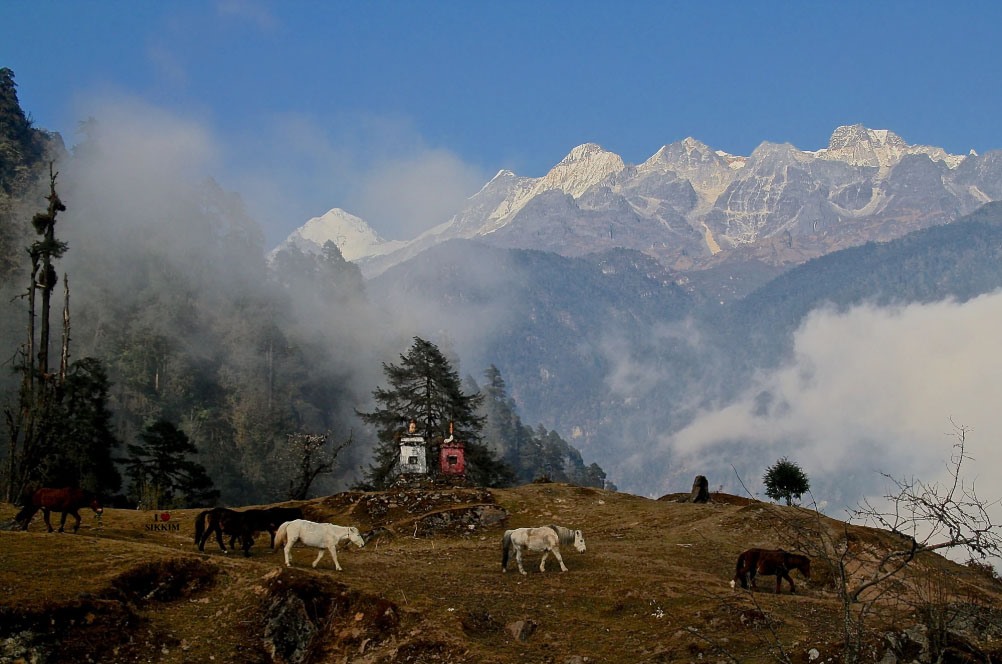
- Living culture: higher up, villages are Tibetan in character, with monasteries, mani walls, prayer flags and local festivals that are part of daily life.
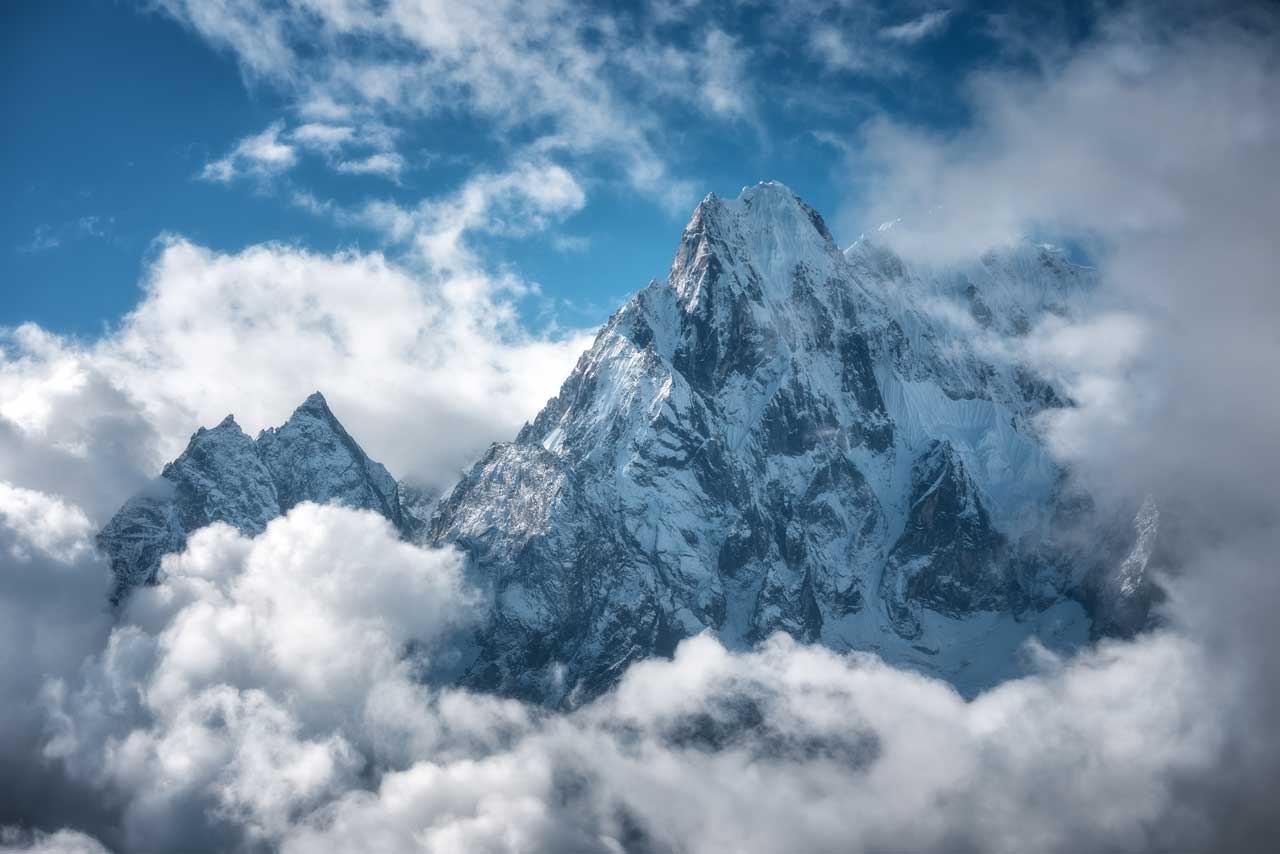
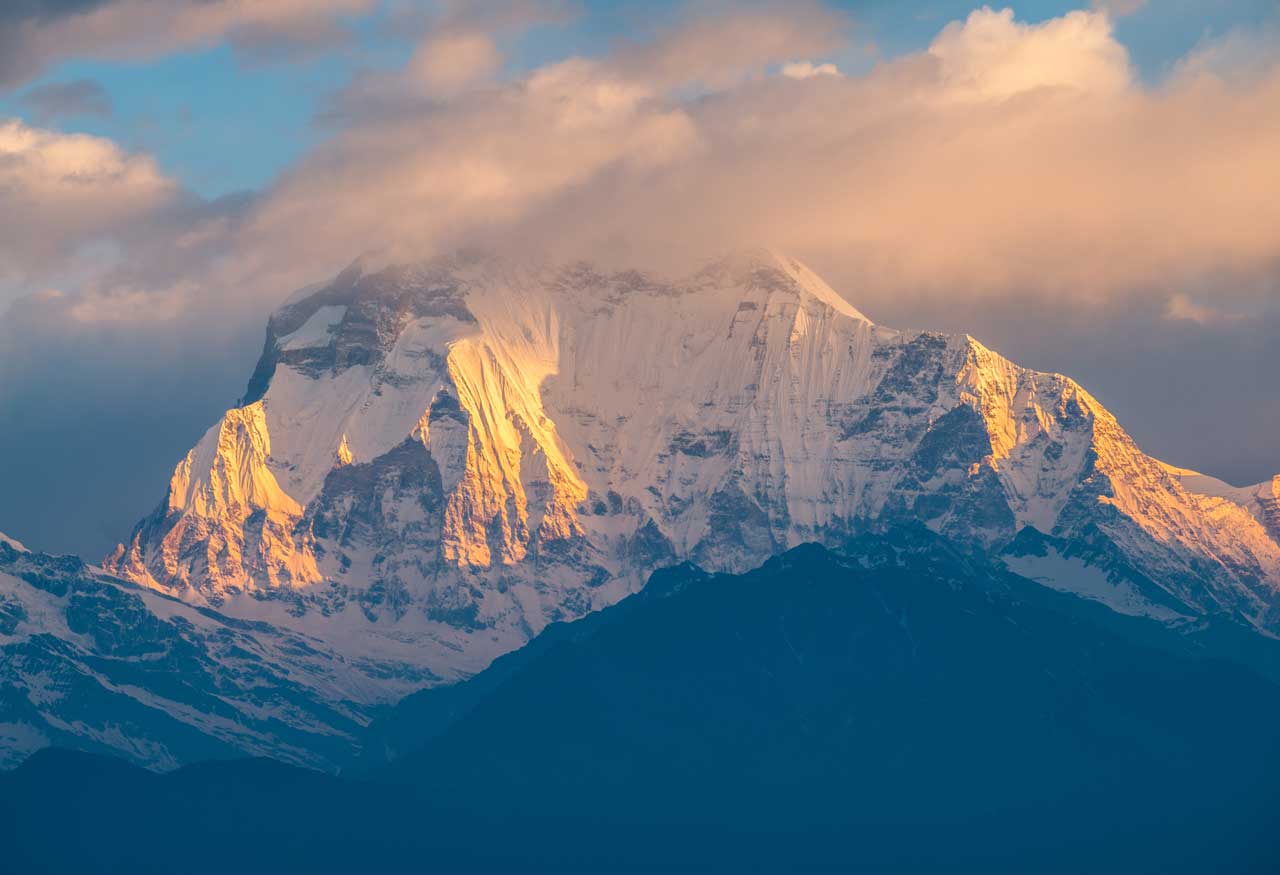
- Big mountain views: Manaslu, Himalchuli, Himlung Himal, Ganesh Himal, Lamjung Himal and Annapurna II all appear along the way.
- A true crossing: the Larkya La Pass takes you over the Himalayas and down into the Annapurna region on a different route from most trekkers.
Trek Highlights
- Cross the Larkya La Pass (5,106 m), one of the great high passes of the Himalayas
- Visit Manaslu Base Camp on the way from Samagaon to Samdo
- Enjoy panoramic views of Manaslu, Himlung Himal, Ganesh Himal, Cheo Himal, Lamjung Himal, Nemjung, Gyaji Kang and Annapurna II
- Walk through the Manaslu Conservation Area, with rhododendron, oak, pine, bamboo, birch and juniper forests, farmland and alpine meadows
- Look out for Himalayan tahr, blue sheep (bharal), pika and marmots, and with luck the elusive snow leopard
- Experience the culture of the Nupri people and the Tibetan-influenced traditions of Gurung, Tamang and Magar communities
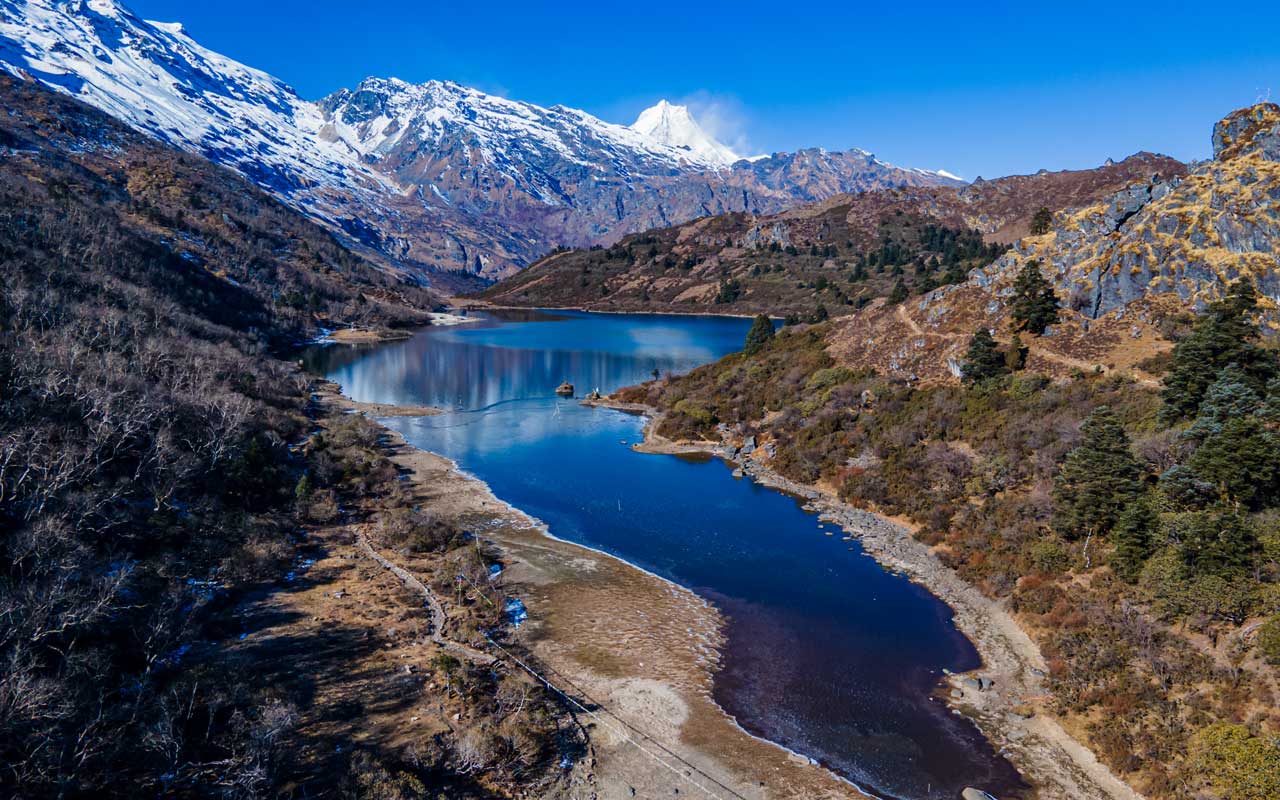
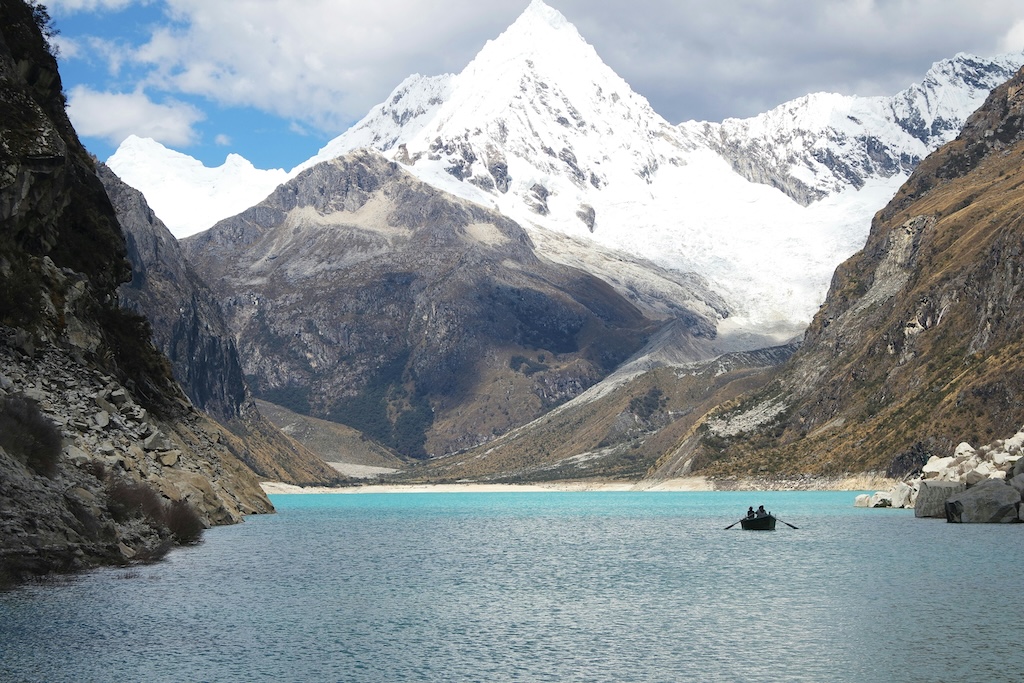
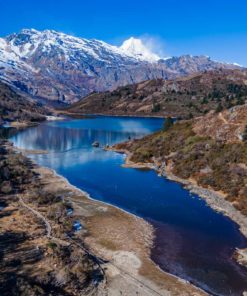
- Explore a restricted trekking region with glaciers and high-altitude lakes
- Follow the Budhi Gandaki River through dramatic gorges and across long suspension bridges
Manaslu Circuit Trek at a Glance
- Duration: 18 days, including arrival, an acclimatisation day, a rest day and departure
- Maximum altitude: Larkya La Pass, 5,106 m
- Walking time: about 4 to 9 hours a day
- Accommodation: tea houses, with basic huts or tents at Dharamsala
- Best seasons: spring (March to May) and autumn (September to November)
- Fitness: good fitness and previous multi-day trekking experience are recommended
- Price: €4,200 until December 15th, then €4,500 [add what’s included]
Best Time to Trek Manaslu
Autumn (September to November) brings clear skies, stable weather and the best mountain views, and it is the most popular season. Spring (March to May) is warmer, with rhododendrons in bloom on the lower trail. Winter is cold and can close the pass with snow, and the monsoon (June to September) brings heavy rain to the lower valleys. Weather in the mountains can change quickly, so we monitor conditions closely on the pass day.
How Difficult Is the Manaslu Circuit Trek?
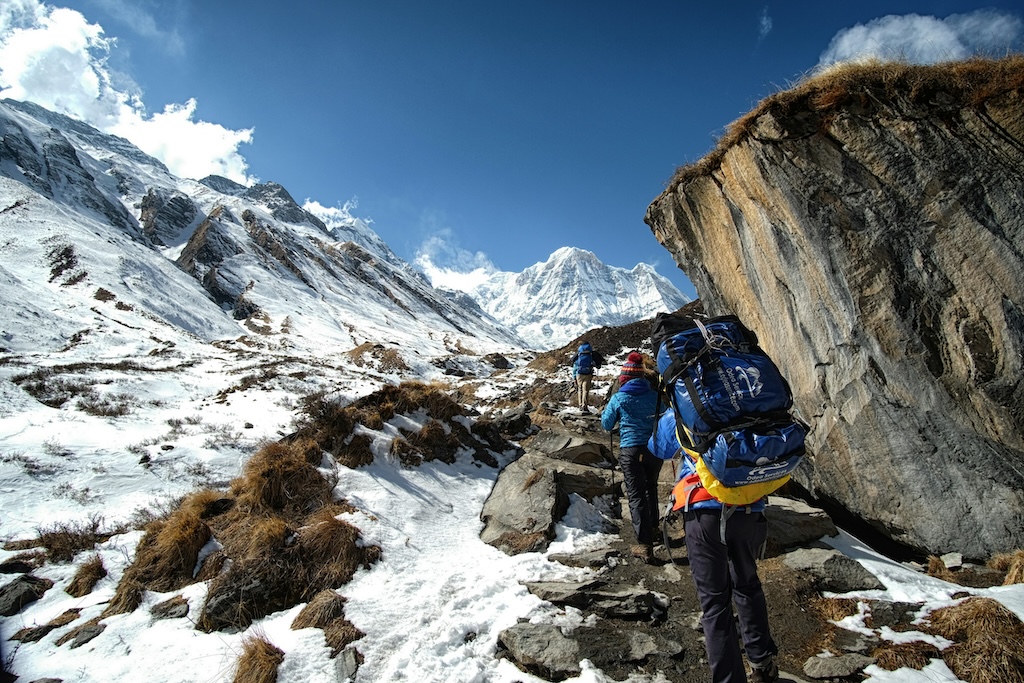
The trek is demanding but achievable for fit walkers. The first days are long and can be hot at lower altitude, and the days around Dharamsala and the Larkya La Pass are the toughest. Pass day is about 8 to 9 hours of walking, starting early in the dark, and snow can slow the descent. We include an acclimatisation day in Samagaon (3,520 m), and our guides follow a gradual ascent to help you adjust to the altitude. You do not need climbing experience, but you should train for long days and steady climbs before you travel. See our trek fitness guide.
Permits for the Manaslu Circuit Trek
Manaslu is a restricted region, so a special permit is required, along with permits for the Manaslu Conservation Area(MCAP) and the Annapurna Conservation Area (ACAP). Restricted-area rules also require trekking with a licensed guide. We arrange all of the permits for you. Read more about permits.
Accommodation and Food
You’ll stay in simple tea houses with shared toilets and limited heating. Meals are served in warm communal dining rooms, and the menu is mostly dal bhat, noodles, soup, eggs and bread. At Dharamsala, the night before the pass, there are basic three-person huts and two-person tents with mattresses. Pack a warm sleeping bag for the higher nights. Learn more about tea house treks.
Wildlife and Culture
The Manaslu Conservation Area is rich in wildlife. Himalayan tahr and blue sheep graze the high slopes, marmots and pika live among the rocks, and snow leopards are present but rarely seen. Culturally, the upper valley is home to the Nupri people, and Tibetan Buddhism shapes everyday life, from monasteries and Lama schools to mani walls you pass on the left. You’ll see this most clearly in Lho, Samagaon and Samdo.
Manaslu Circuit Trek FAQs
How long is the Manaslu Circuit Trek?
Our itinerary takes 18 days, including two nights in Kathmandu before the trek, an acclimatisation day and a rest day at the end.
Is the Manaslu Circuit Trek harder than the Annapurna Circuit?
The route is more remote and has fewer facilities, so it feels tougher, although the maximum altitude is similar. Good preparation makes a big difference.
Do I need a guide for Manaslu?
Yes. Restricted-area rules require you to trek with a licensed guide. Our team arranges your guide and permits.
What is the highest point on the trek?
The Larkya La Pass at 5,106 m.
What fitness do I need?
You should be comfortable walking 6 to 9 hours a day for several days in a row, with some uphill. Regular hiking and cardio training in the months before your trip helps.
When does the special price end?
The €4,200 price is available until December 15th. After that, the price is €4,500.


Itinerary
Day 1: Arrive in Kathmandu (1,400 m)
Our representative meets you at Kathmandu Airport and transfers you to your hotel. After time to rest, we hold a trip meeting and money exchange, followed by a group dinner. Afterwards, explore the streets of Kathmandu.
Day 2: Kathmandu sightseeing and trek preparation
After breakfast, we visit the town for last-minute shopping for the trek. In the evening there is a group dinner and trekking briefing.
Day 3: Transfer from Kathmandu to Gorkha
We drive to Gorkha and spend the night in Gorkha village.
Day 4: Gorkha to Soti Khola, then trek to Machha Khola (875 m, 7 hrs)
After an early morning drive from Gorkha to Soti Khola, we start the trek. The first days are long because of the lower altitude and the availability of good teahouses, and it can be hot, especially in spring. The trail leads through forest and climbs behind a rocky outcrop, where the valley opens and the Budhi Gandaki River winds between gravel bars. We cross a side ridge, rejoin the river and continue to Machha Khola village.
Day 5: Machha Khola to Jagat (1,340 m, 7 hrs)
Another long day on a trail that rises and falls along the river, passing small hamlets and farms. After crossing streams and rocky ravines, we reach Khorlabesi, where there is a hot spring. In the afternoon we cross a suspension bridge to Dobhan. From Dobhan to Philim there are fine views of Shringi Himal (7,187 m). The steep, rocky trail to Yara Khola is exposed and challenging in places. A final long suspension bridge brings us to Jagat.
Day 6: Jagat to Deng (1,860 m, 7–8 hrs)
We enter the Manaslu Conservation Area and descend to Philim. After climbing a terraced hill to Saguleri, we see Shringi Himal (7,187 m). The route continues upstream through a gorge with towering walls. We cross the Budhi Gandaki, walk down to the Shar Khola River, and pass through forest to reach Deng village.
Day 7: Deng to Namrung (2,630 m, 7 hrs)
We meet the Budhi Gandaki again and pass the village of Lana. Mani stones along the trail show that we are entering Buddhist territory. After about four hours we reach Ghap, in the Tibetan-influenced area, where we have lunch. As we gain altitude we move into alpine terrain with great mountain views. After more mani walls and three further crossings of the Budhi Gandaki, we arrive in Namrung.
Day 8: Namrung to Lho (3,180 m, 4–5 hrs)
A short descent and another climb take us through the Tibetan villages of Lihi and Sho. The mountain views grow all around us, and from Lho we get our first glimpses of Manaslu, Naike Peak and Larkya Peak.
Day 9: Lho to Samagaon (3,520 m, 4–5 hrs)
The trail climbs out of Lho past the monastery and follows the valley with Manaslu ahead. It then climbs to Shyaula village, with panoramas of Manaslu, Himalchuli, Peak 29, Naike and Larkya Peak. Soon after, we reach Samagaon.
Day 10: Samagaon acclimatisation day (3,520 m)
Rest and acclimatise in Samagaon, and explore the village. An optional hike leads to Pung Gyen Gompa, with Manaslu as its backdrop.
Day 11: Samagaon to Samdo via Manaslu Base Camp (3,875 m, 6–7 hrs)
We continue along the Budhi Gandaki, surrounded by spectacular mountains, and make a detour to visit Manaslu Base Camp. We then rejoin the main route and descend to Samdo, a Tibetan community and the last permanent settlement in the valley, only a day’s walk from the Tibetan border.
Day 12: Samdo to Dharamsala (Larkya Phedi) (4,460 m, 5 hrs)
We cross the Budhi Gandaki for the last time and follow the trail to a viewpoint over the Larkya La glacier. Climbing further, we reach Dharamsala, a few seasonal teahouses offering basic meals and accommodation. Sleeping is in three-person prefab huts or two-person tents with mattresses provided, and there is a basic dining room and toilets.
Day 13: Dharamsala to Bimthang via Larkya La Pass (5,106 m; ends at 3,590 m, 8–9 hrs)
We start early, usually in the dark, to avoid the wind, which is often of gale force after midday. This is the longest day of the trek, and snow can make the crossing, especially the descent, much slower. We climb steadily to the Larkya La Pass (5,106 m), with stunning views of Cho Danda, Annapurna II and Larkya Peak. A long downhill trail then leads to Bimthang.
Day 14: Bimthang to Chyamche (1,430 m, 6 hrs)
We leave Bimthang and cross to the eastern side of the Dudh Khola River. After crossing it, we join the main Annapurna Circuit trail and follow the Marshyangdi River to Chyamche.
Day 15: Chyamche to Nadi Bazaar (930 m, 6–7 hrs)
We walk downhill through forest and past waterfalls beside the holy Marshyangdi River to Nadi Bazaar.
Day 16: Nadi Bazaar to Besisahar and drive to Kathmandu
A jeep takes us along the rough road to Besisahar (2 hrs). From there a minibus drives us back to Kathmandu (6 hrs). Overnight at Hotel Moonlight in Kathmandu.
Day 17: Free day in Kathmandu
A day to rest and relax in Kathmandu.
Day 18: Departure from Kathmandu
Leave Nepal after your incredible journey, or stay on for another adventure. See what else we offer in Nepal.
This trip is led by Wild Mountain NI and Namaste Nomad Ltd.
For Everest base camp departure dates check here – https://namastenomad.ie/tour/everest-base-camp-trek/
For only Nepal trip -https://namastenomad.ie/tour/retreat-in-nepal-with-tour/
Price includes
- Airport / Hotel / Airport Transporation.
- International flights from Dublin and return for people flying from Ireland and the UK.
- Hotel in Kathmandu – 3 Nights, at 3 Star Hotel.
- Transportation: Kathmandu to Sotikhola Private 4×4 wheel Jeep and return to Kathmandu.
- Kathmandu City Guided tour
- Meals In Trekking: 3 Times Meals a day (14 Breakfast, 14 Lunch and 13 Dinner)
- Free Dinner night In Kathmandu after the trek.
- Manaslu Circuit Trekking Permit: Manaslu Conservation permit, Annapurna Conservation permit, and Special Manaslu permit and Company necessary paperworks
- Accommodation In Trekking: All accommodations in lodges/tea houses during the treks.
- Trekking Guide: An experienced, helpful, friendly and English-speaking Trekking guide, sherpas and trip leader from Ireland.
- Trekking porter: A porter to Carry your Backpack ( One Porter between every 2 members) their food, accommodation and well-paid salary.
- Oxe-Meter- To Check your oxygen saturation and heart rating
- Arrangement of Emergency Helicopter service which will be paid by your Travel insurance company.
- Adventure Certificate.
- Medical supplies (first aid kit will be available).
- All government taxes & VAT
- Service charge.
Price excludes
- Travel Insurance covering 5000M
- Tips for staff and guides
- Nepal entry visa fee
- Lunch Dinner in Kathmandu.
- Water Bottle for drinks, WI- FI, Camera, Mobile recharge.
- Bar Bills, laundry or any personal expenses.
- Trip t-shirt 20 euro.
Tour enquiry
Reviews

