

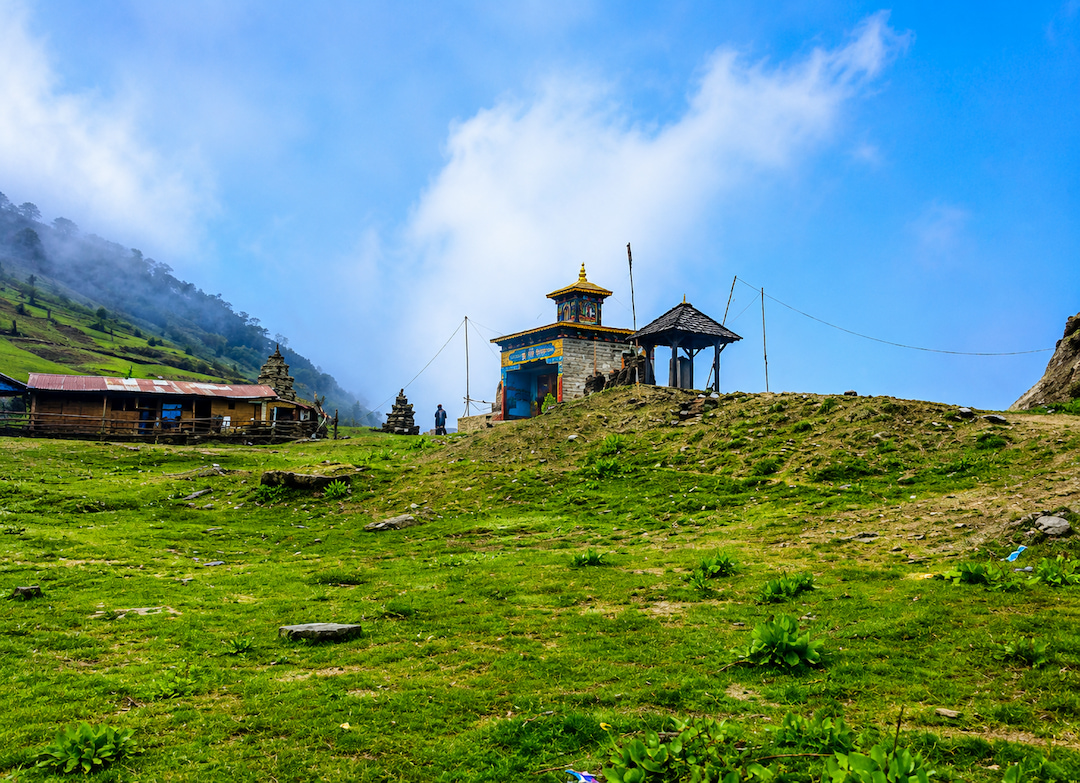
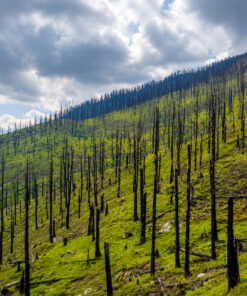
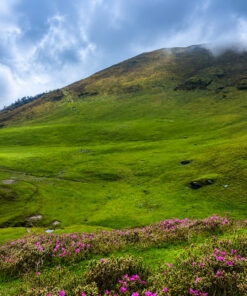

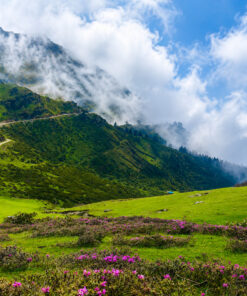
Explore one of Nepal’s most remote and untouched trekking regions with the Ruby Valley Trek, located between the Langtang and Manaslu regions.
Perfect for travelers seeking an off-the-beaten-path adventure with authentic village life, stunning mountain views, and peaceful trails far from the crowds.
Ruby Valley Trek – A Hidden Himalayan Wilderness
The Ruby Valley Trek is one of Nepal’s most remote and least explored trekking routes, offering a truly authentic Himalayan experience far from the busy trekking trails. Situated between the Langtang and Manaslu regions, this trek takes you through untouched landscapes, traditional villages, and diverse cultural communities.
Named after the natural ruby deposits found in the region, the Ruby Valley remains largely undiscovered by mainstream tourism. This makes it an ideal destination for travelers seeking solitude, raw natural beauty, and genuine cultural interaction.
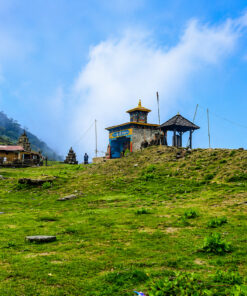
The journey passes through villages inhabited by Tamang and Gurung communities, where traditional lifestyles are still preserved. You’ll experience warm hospitality, local customs, and a slower pace of life that feels deeply connected to nature.
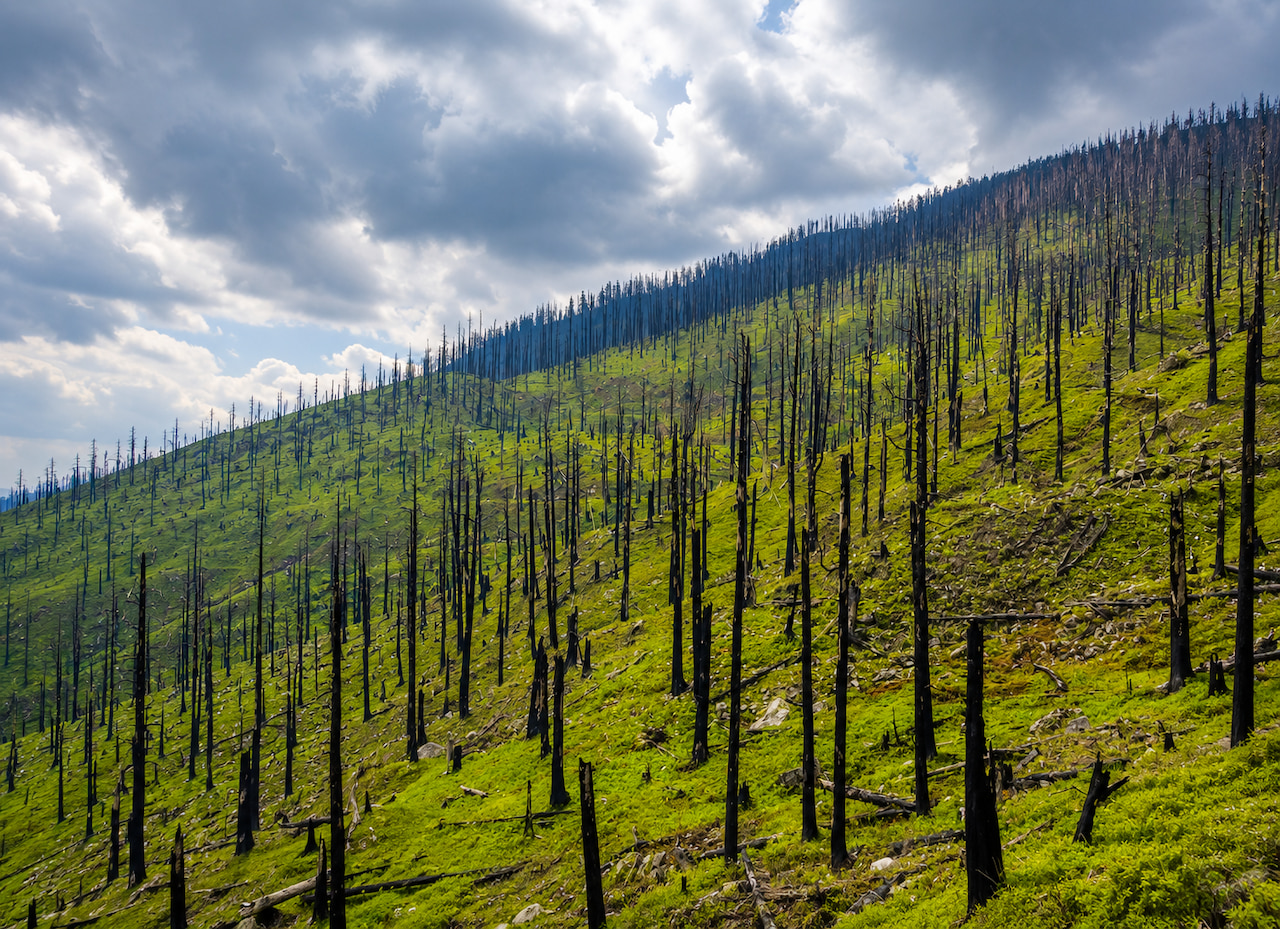
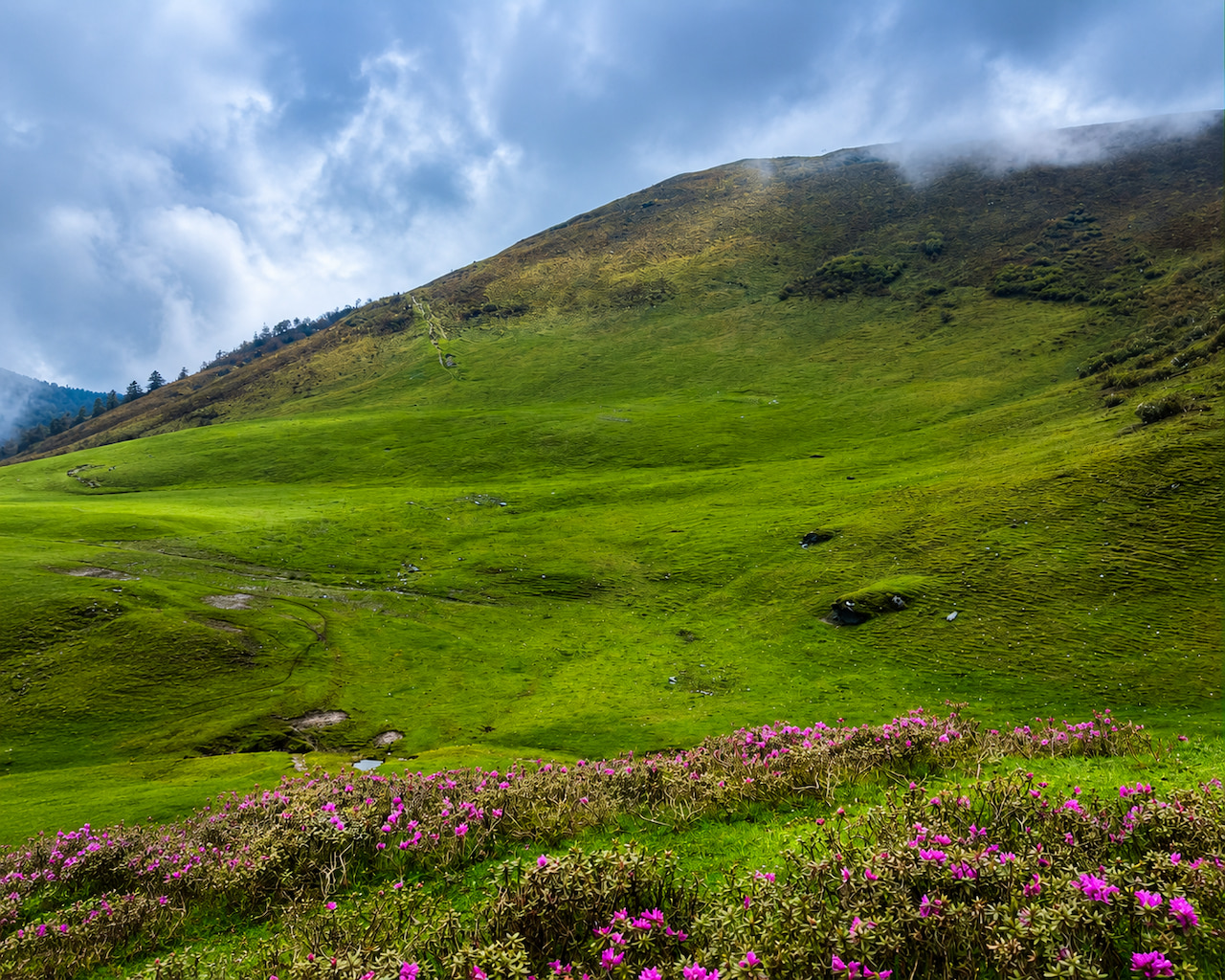
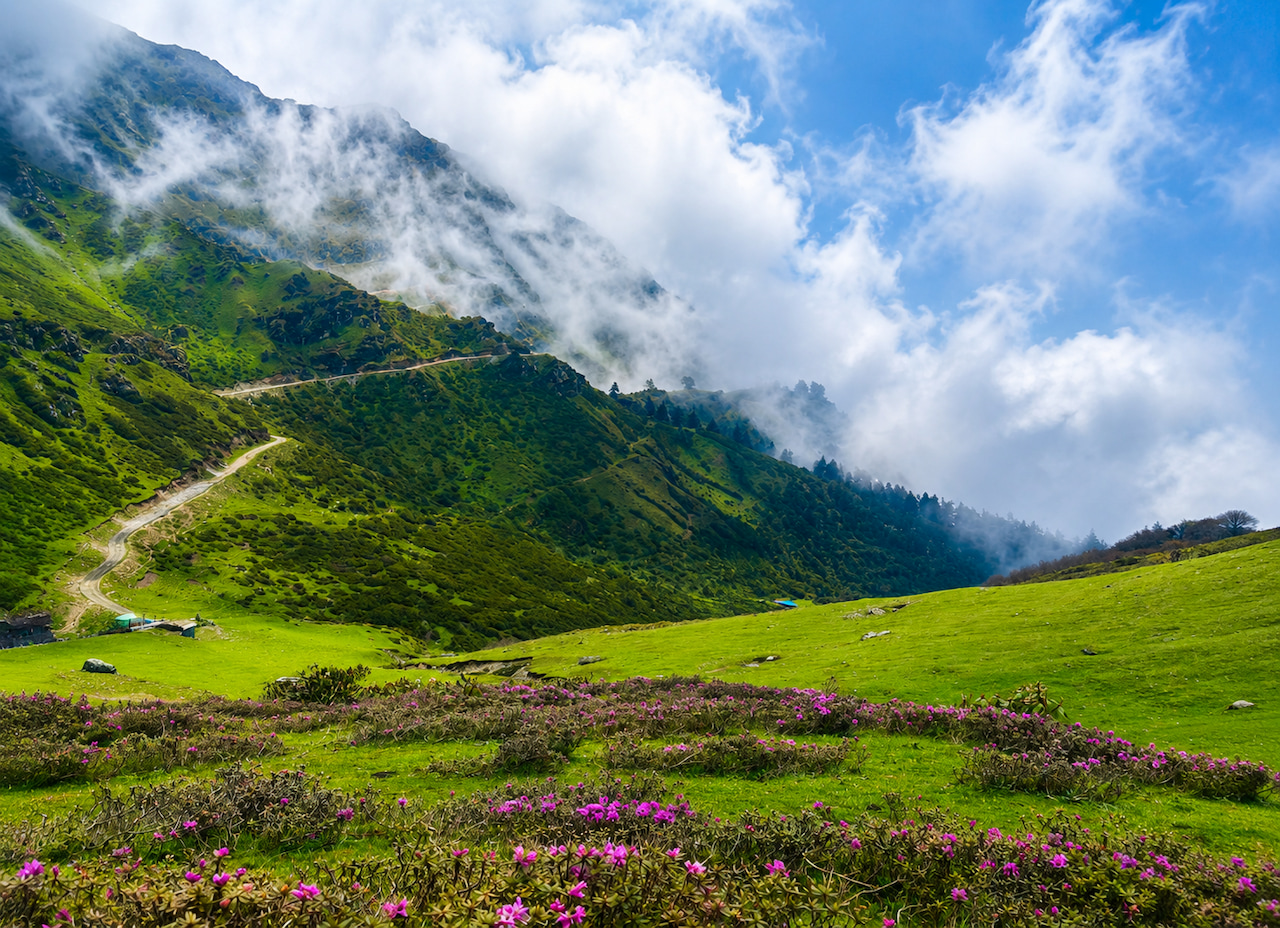
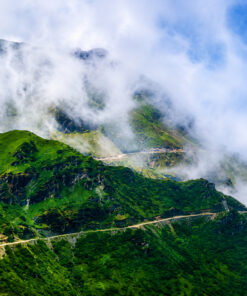
The landscapes are incredibly diverse, ranging from lush forests and terraced fields to high ridges and open alpine areas. Along the way, you’ll be rewarded with stunning views of Ganesh Himal, Langtang, and even distant peaks of the Manaslu region.
This trek is designed for travelers who value experience over comfort and prefer meaningful journeys over crowded routes. With its peaceful trails and rich cultural encounters, the Ruby Valley Trek offers a rare and unforgettable Himalayan adventure.




Itinerary
Day 1: Drive from Kathmandu to Syabrubesi (1,550m)
Your journey begins with a scenic drive out of Kathmandu, gradually leaving behind the busy city and entering a landscape of rolling hills, rivers, and traditional villages. The road winds alongside flowing rivers and terraced farmlands, offering glimpses into rural life in Nepal. As the altitude slowly changes, the air becomes fresher and the surroundings quieter, setting the tone for the days ahead. The drive itself is not rushed, allowing you to observe the transition from urban to natural environments. By the time you arrive in Syabrubesi, you will already feel a sense of distance from the city, ready to begin a more peaceful and immersive journey into the mountains.
Day 2: Trek to Gatlang (2,238m)
The first day of trekking begins with a steady and gradual ascent through forests and scattered settlements, allowing your body to adjust naturally to the rhythm of walking. The trail offers a mix of shaded paths and open viewpoints, where you can pause and take in the surrounding hills and distant mountains. As you approach Gatlang, the cultural aspect of the trek becomes more visible. This traditional Tamang village, with its stone houses and terraced fields, provides your first real connection with local life. Instead of rushing through, you have time to explore the village, observe daily routines, and experience the quiet charm of the community.
Day 3: Trek to Somdang (3,270m)
Today’s journey takes you deeper into the Ruby Valley, where the trail becomes more remote and less traveled. The path winds through forests, ridges, and open landscapes, offering a strong sense of solitude and connection with nature. As you gain altitude, the environment begins to feel more expansive, with wider views and a noticeable change in vegetation. Somdang, once known for its mineral deposits, sits in a peaceful highland setting surrounded by natural beauty. The slower pace of the day allows you to fully appreciate the stillness of the region and the feeling of being far removed from busy trekking routes.
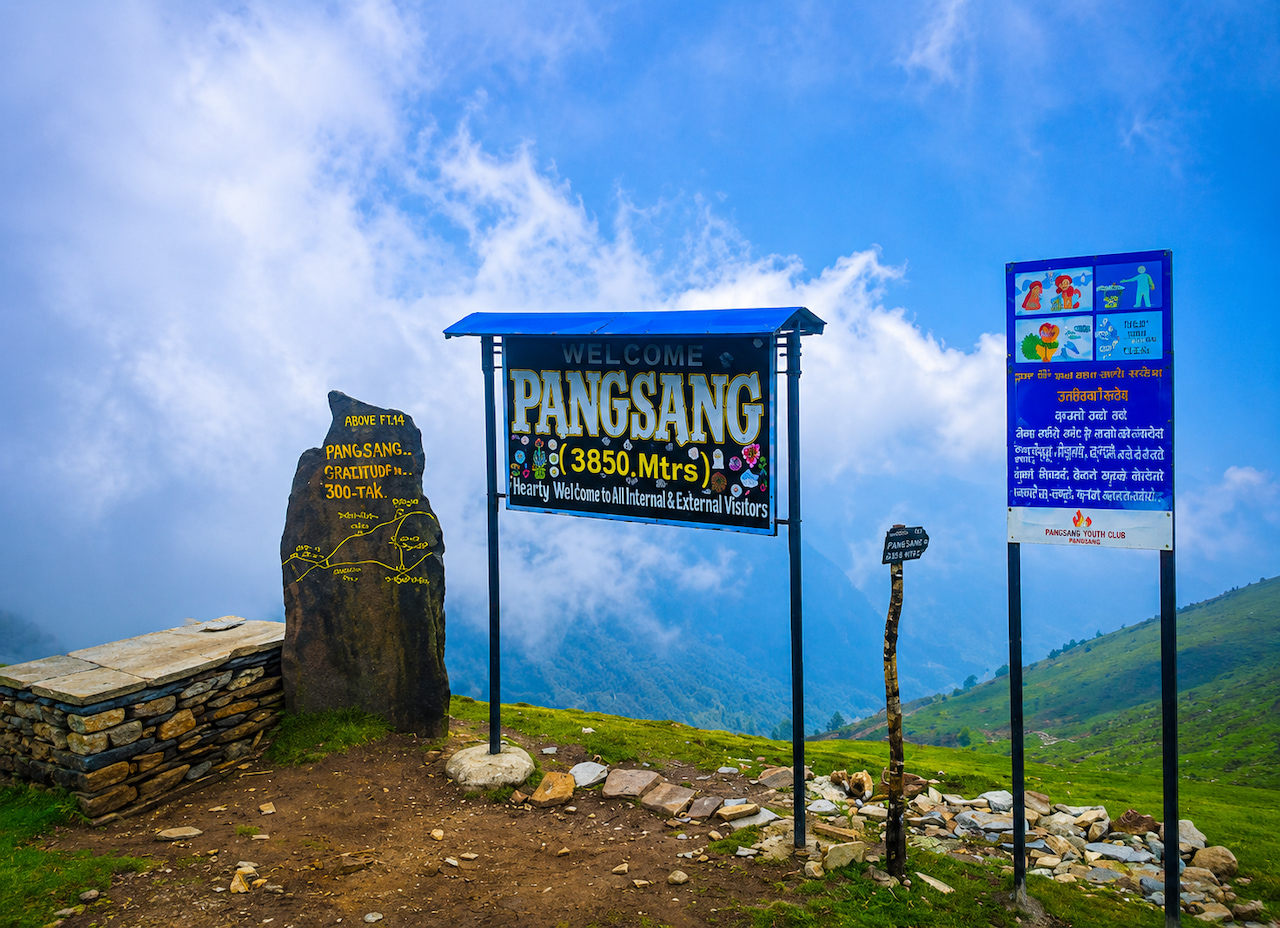
Day 4: Trek to Pangsang Pass (3,842m) – Descend to Tipling
This is one of the most rewarding days of the trek, both in terms of scenery and experience. The climb toward Pangsang Pass is gradual, giving you time to adjust to the elevation while enjoying the changing landscape. As you reach the pass, you are rewarded with breathtaking panoramic views of the Ganesh Himal range, stretching across the horizon. The atmosphere at the top is peaceful and expansive, encouraging you to pause and take in the moment. After spending time at the viewpoint, you begin your descent toward Tipling, where the environment shifts once again into village life. The contrast between high mountain views and the warmth of the village creates a memorable and balanced experience.
Day 5: Explore Tipling Village (Rest & Cultural Day)
Rather than continuing to move, this day is intentionally kept slow and focused on cultural immersion. Tipling is a village where traditional lifestyles are still preserved, and spending a full day here allows you to experience it more deeply. You may visit local monasteries, observe daily routines, and engage in conversations with residents. The slower pace of the day provides a meaningful break from trekking, giving both your body and mind time to rest while still enriching your overall journey. This day often becomes one of the most memorable parts of the trek due to the genuine connections formed with the local community.
Day 6: Trek to Chalish Village
The trail continues through a mix of forest paths and open landscapes, gradually leading you toward Chalish Village. This part of the trek highlights the diversity of the region, both in terms of scenery and culture. Chalish is home to a mix of ethnic communities, and the village offers a welcoming atmosphere where you can experience local hospitality firsthand. The walk is not overly demanding, allowing you to move comfortably while enjoying the surroundings. As you arrive, you can take time to explore the village and observe the unique blend of traditions that define the area.
Day 7: Trek to Borang
Today’s journey is calm and reflective, following scenic trails that pass through traditional settlements and natural landscapes. The rhythm of the trek becomes familiar, allowing you to fully settle into the experience. Borang is a quiet village where life moves at a slower pace, offering another opportunity to connect with the local way of life. The day is designed to be comfortable, giving you enough time to walk, rest, and absorb the environment without feeling rushed or pressured.
Day 8: Trek to Dhading Besi
As you begin your descent, the landscape gradually changes once again, with warmer temperatures and more cultivated land. The trail moves through farmland, small villages, and forest sections, providing a varied and enjoyable walk. This part of the journey allows you to reflect on the experiences of the past days, from remote highlands to cultural villages. Reaching Dhading Besi marks the end of the trekking portion, where you can relax and prepare for the return to the city.
Day 9: Drive back to Kathmandu
The final day involves a drive back to Kathmandu, retracing parts of the landscape you experienced at the beginning of the journey. As you return to the city, the contrast between the peaceful mountain environment and urban life becomes clear. The journey ends not just with memories of beautiful scenery, but with a deeper appreciation for the culture, people, and slower pace of life experienced in the Ruby Valley.
Price includes
- Airport pickup and drop-off services (private transportation)
- All necessary trekking permits and regional entry fees
- Experienced English-speaking trekking guide (licensed and knowledgeable)
- Teahouse and homestay accommodation during the trek
- Daily breakfast during the trek (fresh and locally prepared meals)
- Transportation from Kathmandu to Syabrubesi and return from Dhading Besi
- Basic first aid support and safety assistance throughout the trek
- All government taxes and service charges
Price excludes
- International flights and Nepal visa fees
- Travel insurance (must include trekking and emergency evacuation)
- Lunch and dinner during the trek (flexible meal options)
- All drinks (water, tea, coffee, alcohol)
- Personal expenses (WiFi, hot showers, charging, snacks)
- Tips for guide and porter
- Additional costs due to delays, weather, or unforeseen circumstances
Tour enquiry
Reviews

