


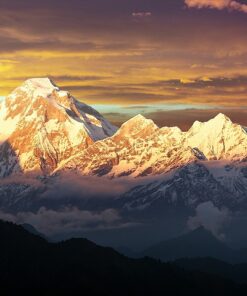

Dhaulagiri circuit trek is one of the amazing but challenging and remote trekking destination in Himalayas, Nepal. the seventh highest mountain, offering dramatic landscapes, high mountain passes, and true wilderness trekking.
Ideal for experienced trekkers seeking a physically demanding and deeply rewarding Himalayan adventure.
Dhaulagiri Circuit Trek – Into the Wildest Corners of the Himalayas
The Dhaulagiri Circuit Trek is one of Nepal’s most demanding and rewarding high-altitude adventures, offering an extraordinary journey around the world’s seventh highest mountain, Dhaulagiri (8,167m). This is not a typical trekking route—it is an expedition into one of the most remote and rugged regions of the Himalayas, where landscapes remain raw, untouched, and deeply powerful.
Unlike more commercial trekking routes, the Dhaulagiri Circuit is defined by its sense of isolation and wilderness. The trail takes you through hidden valleys, glacial moraines, high mountain passes, and remote campsites where the only sounds are the wind and the distant movement of ice. Every step of the journey feels earned, and every view feels personal.
The trek gradually leads you into increasingly dramatic terrain, culminating in crossings of high passes such as the French Pass (5,360m) and Dhampus Pass (5,200m). These sections offer breathtaking views of surrounding peaks, glaciers, and vast alpine landscapes that few travelers ever experience.
This is a trek designed for those who seek challenge, solitude, and a deeper connection with the mountains. It is physically demanding, but equally rewarding, offering moments of silence, reflection, and awe that stay with you long after the journey ends.




Itinerary
Day 1: Arrival in Kathmandu (1,400m)
Your journey begins in Kathmandu, where the energy of the city blends ancient tradition with modern movement. After arriving at the airport, you are welcomed and transferred to your hotel, giving you time to settle in and recover from your travels. The day is intentionally kept unhurried, allowing you to adjust to the new environment, explore nearby streets, or simply rest. In the evening, you meet your trekking guide and team for a detailed briefing. This session is not rushed; it is a calm and informative introduction to the expedition ahead, covering the route, safety considerations, and overall experience. It sets a confident and grounded tone, preparing you mentally for the remote and demanding journey that lies ahead.
Day 2: Drive to Beni (830m)
The journey from Kathmandu to Beni is long but deeply scenic, offering a gradual transition from urban life into rural Nepal. As the road winds through hills, river valleys, and small settlements, you begin to observe the slower pace of life outside the city. The changing landscape, from busy highways to quiet mountain roads, creates a sense of moving further into nature. There are moments to pause, stretch, and take in the views, making the journey feel part of the experience rather than just transportation. By the time you reach Beni, the atmosphere has shifted completely, and you feel closer to the mountains both physically and mentally.
Day 3: Trek to Babichaur
The first day of trekking begins gently, allowing your body to ease into the rhythm of walking. The trail follows riverbanks and farmland, passing through small villages where daily life unfolds naturally. You walk at a comfortable pace, without pressure, giving yourself time to observe details—the sound of water flowing, the movement of people working in fields, and the quiet beauty of the surroundings. This day is about settling into the journey, finding your walking rhythm, and allowing the transition from travel to trekking to happen naturally.
Day 4: Trek to Dharapani
Today’s walk continues through a mix of terraced fields, forest paths, and rural landscapes. The elevation gain is gradual, ensuring that your body adapts comfortably without strain. The trail offers a balance of open views and shaded sections, creating a varied and enjoyable experience. As you move further away from developed areas, the environment becomes quieter and more peaceful. The day is designed to be steady and manageable, giving you the confidence to continue deeper into the trek.
Day 5: Trek to Muri (1,850m)
As you ascend toward Muri, the landscape begins to open up, revealing broader views of the surrounding hills and distant mountain ranges. The village itself offers a glimpse into local culture, with traditional homes and a calm, welcoming atmosphere. This is a day where you begin to feel the shift from lower terrain into more mountainous surroundings. The pace remains relaxed, allowing you to explore the village and take in the views without any sense of urgency.
Day 6: Trek to Boghara
The trail becomes noticeably more remote as you move toward Boghara. Forest paths narrow, and the surroundings feel more untouched and natural. You begin to sense the isolation that defines this trek, where fewer people travel and nature dominates the experience. The walk requires focus but remains manageable, and the quiet environment allows you to fully immerse yourself in the journey. This is where the trek starts to feel more like an expedition than a simple hike.
Day 7: Trek to Dobang
Today’s journey takes you deeper into dense forest and rugged terrain. The trail follows river valleys and passes through areas where the natural environment feels raw and powerful. The sound of water, the movement of wind through trees, and the absence of crowds create a strong sense of connection with nature. The pace remains steady, giving you time to adjust physically while also absorbing the growing intensity of the landscape.
Day 8: Trek to Choriban Khola
As you continue, the sense of remoteness becomes even more pronounced. The trail moves through isolated terrain, where the environment feels untouched and expansive. Each step brings you closer to the high-altitude sections of the trek. The day is not rushed, allowing you to move carefully and comfortably while taking in the dramatic surroundings. This is a day where you begin to fully appreciate the scale and isolation of the region.
Day 9: Trek to Italian Base Camp (3,660m)
Reaching Italian Base Camp marks a significant point in the journey. The surroundings open into a wide alpine setting, with towering peaks and glaciers becoming clearly visible. The atmosphere here feels vast and powerful, offering a preview of what lies ahead. The pace of the day is controlled, ensuring proper acclimatization while giving you time to absorb the beauty of the landscape. It is a place where many trekkers pause to truly take in the magnitude of the mountains.
Day 10: Acclimatization Day at Italian Base Camp
This day is dedicated to rest and adjustment, which is essential for continuing safely at higher altitudes. Rather than complete inactivity, you take short walks around the area, allowing your body to adapt while still staying engaged with the environment. The slower pace creates an opportunity to observe details often missed during active trekking—the changing light on the mountains, the stillness of the air, and the quiet rhythm of the surroundings.
Day 11: Trek to Glacier Camp (4,200m)
The landscape shifts dramatically as you enter glacial terrain. The trail becomes more rugged, requiring careful steps and greater focus. The environment feels raw, powerful, and untouched, with ice formations and rocky surfaces shaping the path. Although physically more demanding, the day is deeply rewarding, offering some of the most striking views of the trek. The experience feels immersive, as you move fully into the high mountain world.
Day 12: Trek to Dhaulagiri Base Camp (4,700m)
Arriving at Dhaulagiri Base Camp is one of the most powerful moments of the journey. Surrounded by massive peaks and glaciers, you stand in a landscape that feels both humbling and inspiring. The scale of the mountains is overwhelming, creating a sense of stillness and awe. The day is not rushed, allowing you to fully absorb the experience, reflect on the journey so far, and appreciate the achievement of reaching this remote location.
Day 13: Cross French Pass (5,360m) – Trek to Hidden Valley
This is one of the most challenging and rewarding days of the trek. The ascent toward French Pass is gradual but demanding, requiring both physical effort and mental focus. As you reach the pass, you are rewarded with breathtaking panoramic views of peaks and glaciers stretching across the horizon. The sense of achievement is strong, and the moment feels deeply earned. After crossing, you descend into the Hidden Valley, a vast and isolated high-altitude plateau that feels completely removed from the outside world.
Day 14: Cross Dhampus Pass (5,200m) – Trek to Yak Kharka
Another high pass crossing brings a different perspective of the mountains, with dramatic views and changing terrain. The effort required is balanced by the beauty of the surroundings, making the journey both demanding and rewarding. As you descend, the environment gradually becomes less extreme, but the sense of remoteness and accomplishment remains strong.
Day 15: Trek to Jomsom
The descent into the Kali Gandaki Valley introduces a completely different landscape. The terrain becomes more open and windswept, with a unique character shaped by the valley’s geography. The transition from high alpine terrain to a more accessible environment is gradual, allowing you to adjust comfortably while reflecting on the journey behind you.
Day 16: Fly to Pokhara
A short but scenic flight takes you to Pokhara, where the calm lakeside environment offers a stark contrast to the rugged mountains. The day is designed for rest and recovery, giving you time to relax and process the experience of the trek. The change in atmosphere feels refreshing and well-earned.
Day 17: Return to Kathmandu
You return to Kathmandu by road or flight, marking the final stage of your journey. The transition back to city life highlights the depth of the experience you have just completed, making the memories feel even more meaningful.
Day 18: Departure
Your journey concludes as you depart from Kathmandu. The experience of the Dhaulagiri Circuit stays with you, not just as a trek completed, but as a journey deeply felt and lived through every step.
Price includes
- Airport pickup and drop-off services (private transportation)
- All domestic transportation (Kathmandu–Beni and return)
- All trekking permits and Dhaulagiri region entry fees
- Experienced English-speaking trekking guide (licensed and expedition-trained)
- Full camping support during remote sections of the trek
- Porters and support staff for carrying equipment and supplies
- Daily breakfast during the trek
- Basic first aid and emergency support
- All government taxes and service charges
Price excludes
- International flights and Nepal visa fees
- Travel insurance (must include high-altitude trekking and evacuation)
- Lunch and dinner during the trek
- All drinks (water, tea, coffee, alcohol)
- Personal expenses (WiFi, hot showers, charging)
- Tips for guide, porter, and support team
- Additional costs due to weather, delays, or itinerary changes
Tour enquiry
Reviews

